Industry News
From Automation to Intelligent Collaboration: Advancing Toward End-to-End Smart Warehousing and Logistics
Industry Trend: Moving from Isolated Automation to System-Wide Collaboration
As the digital transformation of the manufacturing sector gains momentum, enterprises are demanding higher standards for warehouse space utilization, inventory management, and logistics efficiency. Integrating automated equipment, intelligent control systems, and warehouse management software to ensure the smooth, efficient coordination of all operational stages has emerged as a key development trajectory for smart warehousing and logistics.
Technological Upgrades: Building an Efficient, Intelligent Warehousing Ecosystem
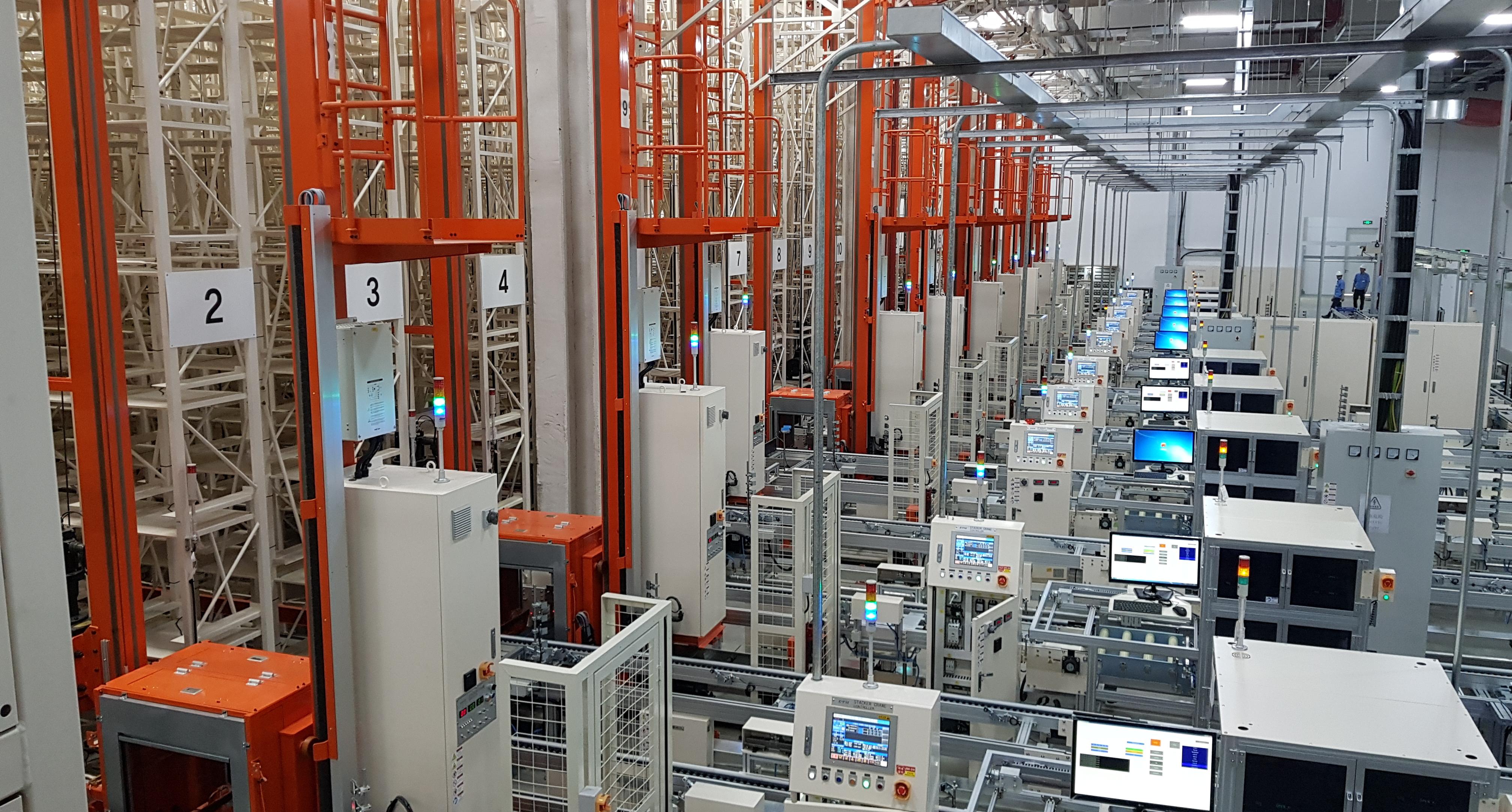
1. Automated Storage and Retrieval Systems (AS/RS): Maximizing Space Utilization
By utilizing high-bay racking, stacker cranes, and complementary conveyor systems, these solutions enable the automated storage, retrieval, and organized management of goods—fully leveraging vertical space and increasing storage density.
2. Multi-Device Collaboration: Streamlining Logistics Workflows
Through unified scheduling and control systems, equipment such as conveyors, stacker cranes, and AGVs/RGVs (Automated/Rail-Guided Vehicles) work in tandem. This ensures the orderly flow of goods—from inbound receipt and storage to outbound dispatch—thereby boosting overall operational efficiency.
3. Digital Management: Achieving Warehouse Visibility
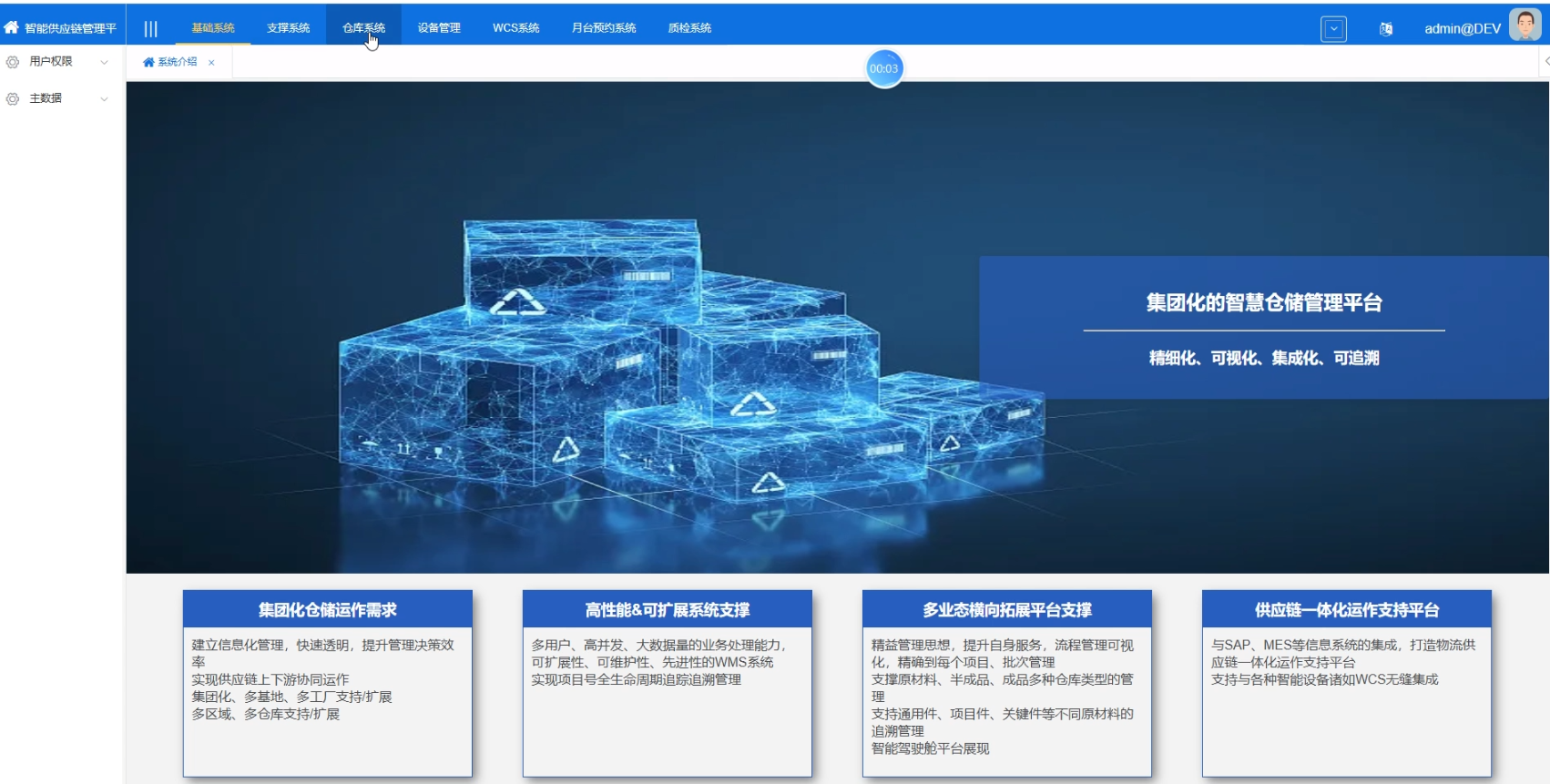
Leveraging Warehouse Management Systems (WMS) and Warehouse Control Systems (WCS), enterprises can centrally manage inventory data, storage location status, and equipment performance metrics. This improves inventory accuracy and provides data-driven support for operational decision-making.
Value Proposition: Driving Cost Reduction and Efficiency for Manufacturers
Smart warehousing and logistics systems optimize space utilization, reduce repetitive manual tasks, and enhance inventory accuracy. Furthermore, by strengthening the integration between warehousing and production, these systems improve both logistics management efficiency and operational stability.
Future Outlook: Driving Continuous Evolution in Warehousing and Logistics
Looking ahead, smart warehousing and logistics will increasingly focus on the deep integration of automated hardware, software systems, and business processes—propelling warehouse management toward greater efficiency, flexibility, and digitalization. Hangrui Intelligent remains committed to tracking advancements in smart warehousing and logistics technology and their industry applications. Guided by the practical needs of enterprises, the company promotes the integrated deployment of automated warehousing, intelligent logistics equipment, and digital management systems. By providing comprehensive, end-to-end warehousing and logistics solutions, HERO Intelligent empowers manufacturing enterprises to achieve an intelligent transformation.