Industry News
WMS System: The "Digital Brain" of Smart Warehousing, Redefining Modern Logistics Efficiency
Traditional warehousing often suffers from inventory discrepancies, inefficiencies, and high costs. The primary value of WMS lies in achieving ultimate transparency of inventory assets. It maps physical warehouses into digital spaces, allowing managers to instantly track the location, shelf life, and status of every SKU without relying on guesswork. This transparency empowers enterprises with robust compliance and traceability capabilities—each item's origin, destination, and operator is meticulously recorded. Not only does this meet the stringent audit requirements of highly regulated industries like pharmaceuticals and food, but it also enables rapid identification of affected areas in case of quality issues, significantly reducing recall costs.
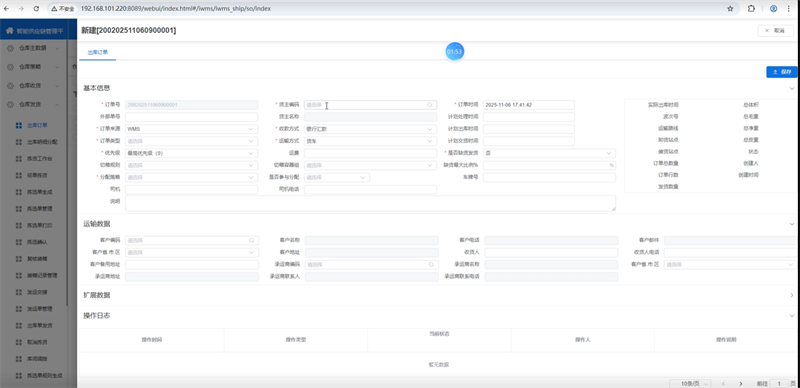
Secondly, WMS serves as a core lever for cost reduction and efficiency improvement. The system optimizes work paths through intelligent algorithms, transforming the traditional "worker searching for goods" into "goods finding workers," significantly eliminating ineffective walking by operators. Meanwhile, standardized workflows greatly reduce reliance on manual experience, substantially shortening the training period for new employees. Further, WMS can also extend hardware lifespan by integrating with automated storage systems, stackers, and AGVs. This enables balanced task allocation across equipment, preventing localized overuse and maximizing the protection of a company's fixed asset investments.
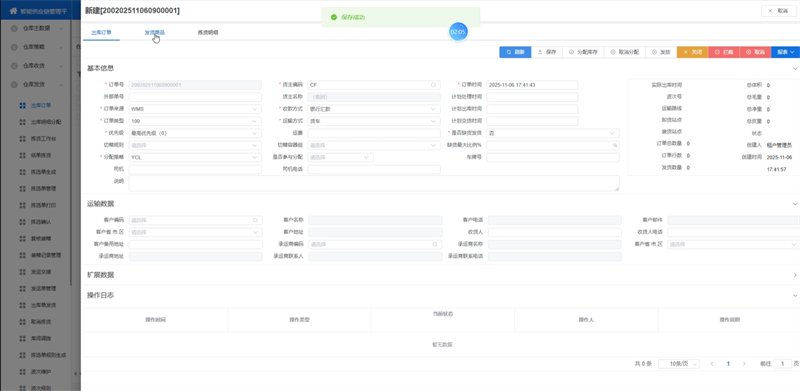
More profoundly, the WMS builds the digital foundation of the supply chain. It interfaces with ERP systems for production planning above and coordinates with TMS for transportation and distribution below, eliminating information silos within enterprises. This seamless integration enables agile responses to market fluctuations—whether handling the sudden surge of e-commerce promotions or fragmented demands for customized production, the WMS delivers flexible warehousing solutions.
In the future, as algorithmic computing power evolves, WMS will transition from "executing commands" to "autonomous decision-making." It is not only a tool for enterprises to enhance logistics efficiency but also a strategic asset for building core competitiveness, driving modern enterprises to advance steadily amid the digital wave.